I’ve been working North Texas real estate for 12 years. I’ve sat at closing tables where deals have exploded over a single line in an inspection report. If there is one thing I’ve learned after hundreds of these meetings, it’s that the roof is the silent engine of the real estate transaction. It’s the first thing I look at, and the last thing I want to hear a surprise about during the option period.
Every time I walk a property with a seller, they look at me and say, “The roof is fine, it’s only ten years old.” My response is always the same: “What will the inspector write up?”
Because "fine" is an opinion. An inspection report, however, is a negotiation trigger. If you aren't ready for that report, you aren't ready to sell.
The "Ground-Level" Mirage
Most homeowners judge their roof by its curb appeal. If there are no missing shingles and the roof isn't actively leaking into the living room, they assume it’s in good shape. But in North Texas, "fine from the ground" is a dangerous assumption.
When an inspector steps onto the roof—or flies a drone over it—they aren’t looking for curb appeal. They are looking for the structural integrity and the remaining life expectancy of the roofing system. Here is what they are actually looking for:
- Granule Loss: This is the sunblock of your shingles. Once the granules are gone, the asphalt underneath is exposed to the brutal Texas heat. Curling or Cupping: This usually signals that the shingles are reaching the end of their life cycle or were installed incorrectly. Flashing Issues: Many leaks happen at the penetrations—the chimney, the vents, and the skylights. If the sealant is cracked, the inspector will flag it immediately. Hail Damage: Even if you don't see dents, they might see bruising on the shingles that compromised the waterproof barrier.
When a buyer sees a flag for "aged shingles" or "improper ventilation" on a report, they don't see a maintenance item. They see a potential $15,000 to $20,000 expense. That is the definition of a deal-killer.
The Insurance Reality Check
We need to talk about insurance underwriting. In the current market, you can't just slap a "for sale" sign in the yard and ignore the roof. Insurance companies are becoming increasingly aggressive with their underwriting requirements.
If a roof is over 15 years old, many carriers won't even write a policy, or they will force the homeowner into an "Actual Cash Value" (ACV) policy rather than "Replacement Cost" (RCV). That is a massive red flag for buyers. If their lender sees that the roof is at the end of its life, it can become a condition for closing the loan.
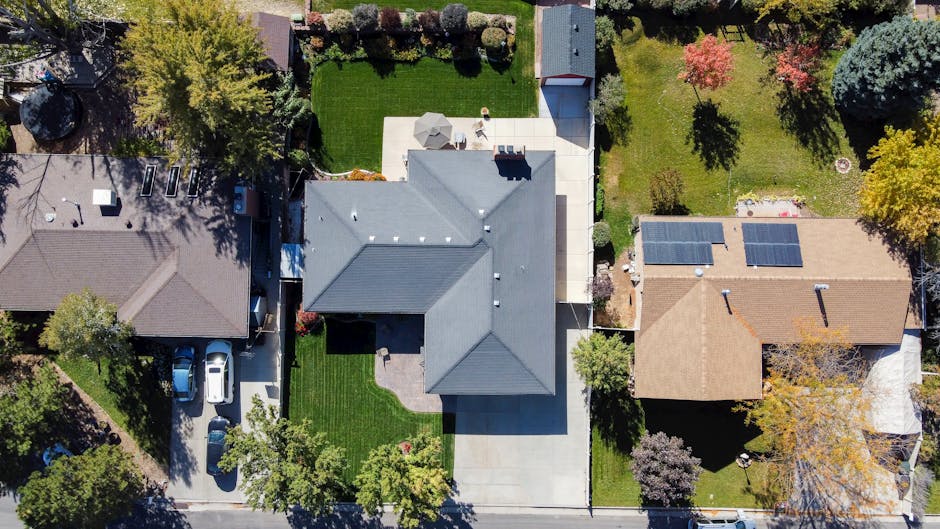
Why North Texas Roofs Take a Beating
If you look at resources from the Federal Emergency Management Agency (FEMA) at fema.gov, you’ll see that North Texas is a high-risk zone for wind and hail. Our climate is extreme. We go from 105-degree summer days that bake the asphalt to sudden, violent hail storms in the spring.
This cycle of expansion and contraction creates hidden damage. You might think your roof looks fine, but the underlayment could be failing. An inspector’s job is to look for these "hidden" failures. If you aren't documenting your roof maintenance, you are putting your sale at the mercy of a stranger’s clipboard.
What Will the Inspector Write Up? (The Proactive Approach)
I tell my clients to stop guessing. If you are listing your home, you need to be the one who flags the issues first. Getting an independent assessment from a professional, like Fireman’s Roofing Texas (firemansroofingtexas.com), is the best way to control the narrative.
When you have a document from a reputable roofer that says, "Roof is in good condition, no active damage, estimated life 7 years," you have neutralized the inspector's flag. You turn a scary "unknown" into a simple "disclosure."
For more insights on how to handle these technical negotiations, I often frequent forums like ActiveRain to see how other agents are navigating the insurance climate. The consensus is always the same: Proof beats opinion every time.
Negotiation Tactics: How to Handle the "Flag"
So, the inspection came back, and the inspector flagged the roof. Don't panic. This happens, and it’s part of the process. Here is how you handle it based on which side of the table you’re on.
If You Are the Seller
Don't get defensive: Saying "It never leaked for me" doesn't change the inspection report. Get a second opinion: If the inspector says the roof is failing but your roofer says it’s fine, get that opinion in writing. Offer a credit, not a repair: Sometimes it's better to offer a "roof credit" at closing. Let the buyer choose their own contractor after they move in. It gets the deal closed without you having to coordinate construction.If You Are the Buyer
Assess the risk: Is this a $500 repair (flashing/sealant) or a $20,000 replacement? Know the difference. Check the insurance premiums: Call your insurance agent *during* the option period. Ask them: "If I buy this house with this specific roof report, what will my premium be?" Use the leverage: If the roof is truly shot, use the report to negotiate for a price reduction or a seller-paid concession. This is exactly what the option period is for.The "Recently Updated" Trap
I hate seeing listings that say "Recently updated roof!" roof and HVAC big ticket repairs with no date. "Recently" is not a date. "Recently" is a sales tactic. If I’m representing a buyer, the first thing I do is check the county permit records. If there’s no permit for the roof replacement, I assume it wasn't done by a professional.
Always provide the paperwork. If you replaced the roof in 2018, show the invoice. It gives the buyer confidence, it satisfies the insurance company, and it keeps the inspector from writing up a laundry list of guesses.

Final Thoughts: Control the Narrative
The roof is one of the "Big Three" deal-killers in Texas residential real estate, alongside the HVAC system and the foundation. You roof credit vs price reduction can’t hide the condition of the roof forever. The inspector will climb up there, the appraiser will look at the condition, and the insurance company will check the age.
Be the agent or the seller who is prepared. Get the inspection done before the buyers arrive. Document your maintenance. And always, always ask yourself, "What will the inspector write up?" before you ever list the property for sale. If you can answer that question, you’ve already won half the negotiation battle.