Hailstorms are no stranger to Texas homeowners, especially in Collin and Denton counties where spring and early summer can bring sudden, intense damage to roofs and siding. If you’re facing damage after a hailstorm, your first instinct is probably to file an insurance claim to cover repairs or replacement. But before you pick up the phone or start filling out forms, grab your declarations page. This little-covered-but-critical document is your guide to policy limits, deductibles, and coverage that can make or break your claim.
After 11 years in insurance adjusting and consumer advocacy, I've seen firsthand why many hail claims get denied, delayed, or underpaid. Knowing the common pitfalls can save you from frustration, wasted time, and costly out-of-pocket repairs. In this article, I’ll cover the top reasons hail claims are denied in Texas, focusing on:
- Rising 2026 wind and hail deductibles — now 2% to 3% How your deductible is based on dwelling coverage, not claim size ACV (Actual Cash Value) payouts on older roofs via depreciation Cosmetic damage exclusions and metal roof limitations Common red flags like late filing and below deductible claims
Before You Do Anything: Pull Your Declarations Page
Seriously, don’t call your agent, your contractor, or your neighbor before you have your declarations page in hand. This is the summary page of your insurance policy — a snapshot showing:
- Your dwelling coverage limit Your wind and hail deductible amount (as a % of dwelling limit) Policy effective dates and expiration Coverage exclusions or special conditions Details for roof or structure materials
Why is this important? Because many hail claim denials boil down to deductible misunderstandings and coverage misreading. You must know your starting point to avoid nasty surprises.
1. Rising Wind and Hail Deductibles: The 2026 Shift
Starting in 2026, many Texas homeowners are facing significant increases in their wind and hail deductibles. These deductibles are now commonly 2% to 3% of your dwelling coverage limit. That’s a major jump from fixed dollar deductibles that were once common.
For example, if your home is insured for $300,000 dwelling coverage, a 3% wind and hail deductible means you’re on the hook for $9,000 before insurance pays out. This can feel harsh, especially if damage seems minor, but it's the reality of current Texas insurance trends.
Check your declarations page carefully—your deductible will be listed as a percentage, not a flat dollar amount. Do NOT confuse this with your "all other perils" deductible, which is usually a fixed dollar amount and often lower than the wind/hail deductible.
Why This Matters:
- Many claims are denied or closed because the damage amount is below the deductible. Homeowners often expect a $1,000 to $2,500 deductible, not a $6,000+ wind/hail deductible. Confusing the deductible type leads to frustration when claims don’t pay anything.
2. Deductible is Based on Dwelling Coverage, Not Claim Size
This detail trips up a lot of homeowners: your deductible is always a percentage of your dwelling coverage limit — NOT the actual amount of your damage claim.
So if your home’s dwelling coverage is $300,000 and your deductible percentage is 3%, your deductible is $9,000 — no matter if your damage estimate is $15,000 or $50,000.
That means smaller damage claims under that threshold won’t get paid at all. This is especially important for roofs or siding with minor dents or cosmetic damage that don't add up to large repair costs.
Rule of thumb: If your claim estimate is close to or below the deductible you see on your declarations page, you should prepare for your claim to be denied or closed without payment.
3. Actual Cash Value (ACV) Payouts and Depreciation on Older Roofs
If your roof is between 10 and 15 years old, be prepared for depreciation to play a big role in how much your insurer actually pays.
Most Texas homeowners’ policies for wind and hail damage follow the ACV model — meaning insurance pays you the cost of repairs minus depreciation (wear and tear over time).
For example, if your damaged roof would cost $20,000 to replace but it’s 12 years old, your https://www.msn.com/en-us/news/other/after-the-april-2026-hail-outbreak-filing-a-roof-claim-in-mckinney-isn-t-what-it-was-two-years-ago/ar-AA26p4DD insurer might subtract 50% depreciation and only pay $10,000. You would then be responsible for the balance, plus your deductible.
Keep detailed dated photos of your roof and any maintenance or repairs — insurance companies often dispute the age or condition of roofs to justify higher depreciation or denial.
Tip:
- Get a professional roof inspection right after the storm and keep all reports. Document exactly when your roof was installed or last replaced—photos with timestamps are your friend. Keep receipts for any recent repairs or partial replacements that may reduce depreciation.
4. Cosmetic Damage Exclusions and Metal Roof Issues
Not every dent and ding from hail qualifies as insurable damage. Many Texas policies have cosmetic damage exclusions — meaning damage that doesn’t affect your roof’s functionality or cause leaks may be excluded.
Common cosmetic issues insurers deny claims for include:

- Dented shingles that aren’t cracked or blistered Paint chips or minor granule loss that doesn’t threaten water intrusion Metal roof dents that don’t penetrate or compromise waterproofing layers
Metal roofs bring their own headaches. Many insurers are hesitant to pay for hail damage on metal roofs because dents don’t always affect the roof’s integrity, and repairs can be costly and tricky.
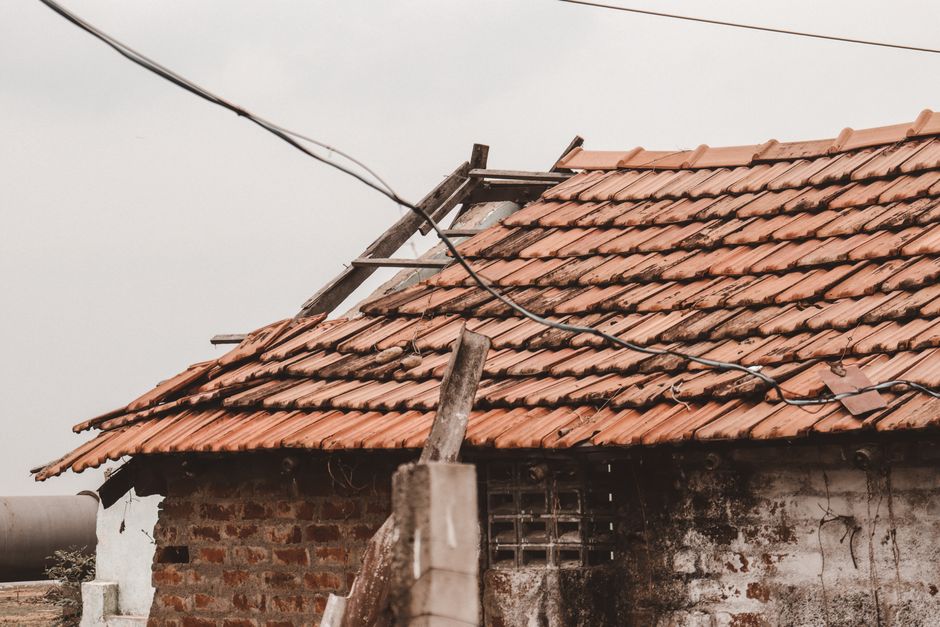
What to do: When filing a claim for cosmetic damage, get an independent inspection and detailed photos with timestamps to prove the dents are hail-related and not from prior incidents or regular wear.
Understand your policy’s exclusion language. Again, your declarations page and policy book are key. Many policies explicitly exclude cosmetic-only damage.
5. Late Filing of Claims (“Late Filing”) and Timely Notification
One of the most common and preventable reasons for claim denial is late filing. Insurance policies require you to notify your insurer of hail damage promptly after the event — often within 30 to 60 days depending on the carrier.
Waiting too long to report damage can lead to outright denial because the insurer argues they can’t verify the damage was caused by the storm. This is especially true when there are no dated photos or independent inspections proving your timeline.
You know what's funny? advice:
Take dated photos immediately after the storm, documenting all suspected hail damage. Notify your insurance company promptly — ideally within days or weeks of the event. Keep copies of all communications (emails, letters, notes from phone calls). Don’t wait for contractors to inspect or give estimates before filing your claim.Summary Table: Common Reasons Hail Claims Get Denied in Texas
Reason for Denial Description How to Avoid Below Deductible Damage cost is less than your % wind/hail deductible (based on dwelling coverage). Check your declarations page to know your deductible before filing. Late Filing Claim filed after policy-required notification timeframe. Report damage ASAP; take dated photos immediately after the storm. Cosmetic Damage Exclusion Damage is surface dents or granule loss not impacting roof integrity. Review policy; get independent inspections and detailed photos. Depreciation on Older Roofs ACV payouts reduce replacement amounts for roofs 10+ years old. Document roof age with dated photos and maintenance receipts. Metal Roof Limitations Insurers deny dents in metal roofs if integrity isn’t compromised. Use inspections and photos; understand your metal roof coverage.Final Thoughts: Prepare to Be Your Own Best Advocate
Texas hail claims are tougher than ever with rising deductibles, stricter documentation requirements, and many policy exclusions. But your best defense is knowledge and preparation.
- Pull your declarations page before you speak to anyone. Take detailed, dated photos immediately after the storm. File your claim promptly. Know your deductible and policy exclusions so you aren’t blindsided. Be wary of contractor red flags like vague timelines and pressure for same-day signatures.
If your claim is denied or underpaid, don’t just accept it — dispute it with clear documentation and, if needed, seek help from a consumer advocate experienced in Texas insurance claims. Your roof and wallet will thank you.