If you have spent any time reading BUILD Magazine or tracking the quarterly earnings calls for major OEMs like Ford, you know the nearshoring narrative has shifted. Five years ago, Monterrey was the default answer for almost everyone. Today, as the industrial corridors of northern Mexico reach saturation, the debate between Monterrey and Sonora has become a matter of strategic logistics rather than just "getting across the border."
As someone who spent years in the trenches of project coordination, I’ve grown tired of the corporate fluff claiming a "fast turnaround" without defining what that actually means. Let’s cut through the buzzwords and look at the hard data regarding lead times, construction engineering, and supply chain access.
The Geography of Nearshoring: Monterrey vs. Sonora
The "Monterrey vs. Sonora nearshoring" debate is really a question of your final destination. Are you servicing the US Midwest and East Coast, or are you tethered to https://www.build-review.com/how-nearshoring-is-driving-demand-for-prefabricated-steel-warehouses-in-mexico/ the US West Coast and the Pacific supply chain?
- Monterrey (Nuevo León): The industrial heartland. It boasts the most robust Tier-2 and Tier-3 supplier base in the country. If you are integrated into the automotive or appliance clusters, the proximity to the Laredo crossing is unbeatable. Sonora (Nogales/Hermosillo): The gateway to the US West Coast. With Union Pacific rail lines running directly through the state, Sonora is the natural choice for companies looking to bypass the congestion of the Laredo and El Paso crossings.
When comparing this to the Bajío region (Guanajuato, Querétaro), remember that the Bajío is further from the border, which adds inland freight costs. Sonora and Monterrey offer the shortest "last mile" to the US, but they present different engineering hurdles.
Breaking Down the Timeline: Sanity-Checking Your Project
If a developer tells you they can have a warehouse ready in "months," run. I’ve seen projects stalled for 12 weeks just waiting on utility easements or environmental impact assessments. Here is a realistic breakdown of a greenfield build-to-suit project in Mexico:
Phase Estimated Timeframe Permitting, Land Acquisition, and Environmental Due Diligence 16–24 Weeks Site Preparation and Foundation/Pad 8–12 Weeks Structural Steel Erection & Envelope (Prefab) 10–14 Weeks MEP (Mechanical, Electrical, Plumbing) Fit-out 12–16 Weeks Commissioning and Occupancy 4–6 WeeksIf you aren’t using dedicated project management tools to track these milestones, you will lose weeks to simple miscommunications. Furthermore, if your GC isn't providing bilingual project documentation, you are setting yourself up for expensive change orders during the MEP fit-out phase.
Structural Engineering: The Hidden Cost
One of the biggest mistakes firms make is applying "Monterrey specs" to a Sonora project. Sonora sits in a region where seismic and wind loads are dictated by strict Normas Mexicanas (NMX). Neglecting this in the design phase is the fastest way to blow your budget.
Industrial Specs That Actually Matter
- Clear Span: Do not settle for interior columns if you are planning high-density racking. A 60-meter clear span is the current gold standard for flexible warehousing. Eave Height: With automated storage and retrieval systems (ASRS) becoming the norm, anything under 12 meters of clear height is obsolete. Go for 14+ meters if you can fit it in your budget. Crane Loadings: If you are manufacturing, ensure your structural steel is pre-engineered to handle bridge cranes. Retrofitting crane rails into an existing slab is a structural nightmare that will cost you three times as much as pre-planning.
Prefab Steel vs. Concrete: Speed vs. Durability
The "prefab steel vs. concrete" debate is often framed as a cost decision, but it’s really a timeline decision.
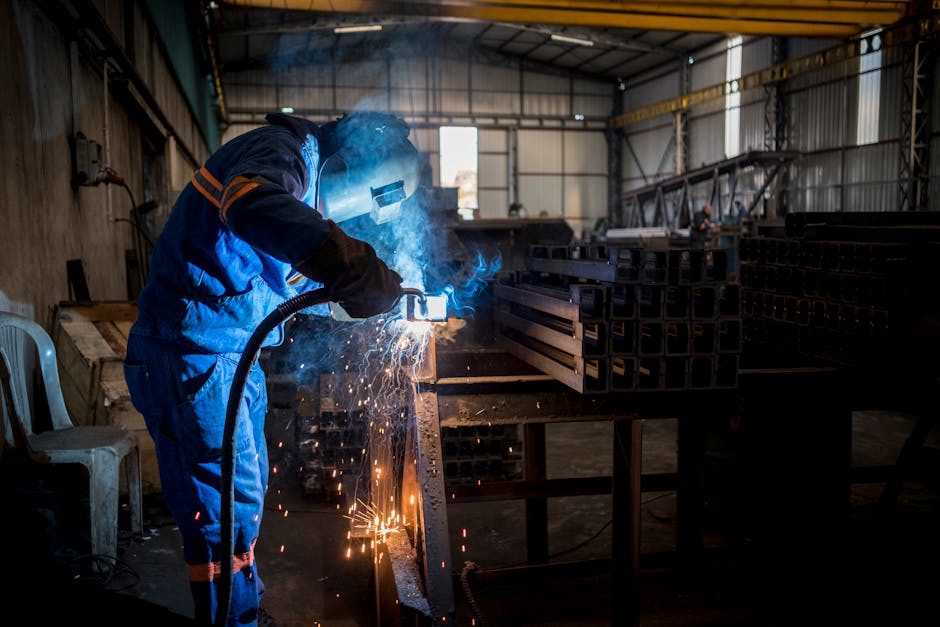
Prefab steel frames can be erected quickly and offer excellent clear spans, which is why they are the go-to in Monterrey. However, in the harsh climate of Sonora—where wind loads can be significantly higher—you need to ensure your steel connection points are reinforced to NMX standards. Concrete tilt-up is more common in the US, but it is gaining traction in Mexico for its thermal mass and durability. It takes longer to cast on-site, but it saves you significantly on climate control costs over a 10-year period.
Why Sonora is Winning the West Coast Access Race
If your end-market is California, Arizona, or Nevada, the Monterrey route through Laredo is geographically inefficient. The logistics bottleneck at the Texas border is well-documented. By leveraging Sonora, you get:

However, the trade-off is labour availability. Monterrey has a deeper pool of specialized mechanical and electrical engineers. In Sonora, you may need to factor in the cost of importing talent or providing housing incentives to retain a skilled workforce. This is a "soft cost" that rarely shows up on an initial spreadsheet but will hit your OPEX in years two and three.
Conclusion: The Verdict
Is Monterrey still better? Not necessarily. It is "safer" because of the established infrastructure, but it is also more expensive in terms of land prices and competition for labor.
If you are a high-volume manufacturer that needs 500+ skilled machinists tomorrow, stay in Monterrey. If you are an logistics-heavy operation looking for a leaner path to the US West Coast and you have the stomach for a 16-month greenfield schedule, Sonora is likely the smarter, more forward-looking play.
My Final Checklist for Decision Makers:
- Verify the Utility Capacity: Don't just trust a letter of intent. Get a written commitment from the utility provider regarding the exact MW capacity available at the fence line. Check the Bilingual Specs: If your project manager cannot explain the difference between NMX and IBC (International Building Code) standards, they aren't the right partner for a cross-border project. MEP is Everything: Never sign a lease or a build-to-suit contract without a detailed MEP plan. That’s where the budget gaps live—not in the steel or the concrete. Use Digital Tracking: If your team isn't updating a central project management tool with real-time photographic evidence and RFIs (Requests for Information), you are flying blind.
Don't be fooled by the "fast track" claims. Build your project schedule around reality, verify your seismic engineering, and make sure your supply chain geography aligns with your distribution footprint, not just your company’s preference for a specific city.