When it comes to bathroom design in new UK residential developments, every detail counts. From the choice of tiles and taps to lighting and fittings, developers carefully curate spaces that balance style, function, and long-term upkeep. Among these considerations, the lighting around the vanity area — where homebuyers often pause, check their reflection, and scrutinize finishes — plays a pivotal role.
In recent years, LED mirrors have become an increasingly popular choice in developer show homes and residential spec sheets. They promise sleek integration, enhanced task lighting, and a contemporary aesthetic. But a crucial question remains for developers, landlords, and specifiers: do LED mirrors actually reduce maintenance compared to traditional, separate light fittings?

This article explores maintenance implications, lighting performance, and developer choice considerations, drawing insight from market trends observed via platforms such as Buildington, innovation leaders like LED Mirror World, and market positioning seen in exclusive projects listed by Forbes Global Properties.
Bathrooms: A Key Driver of Property Appeal
In residential sales and lettings, bathrooms consistently emerge as critical decision-makers for buyers and renters. According to property listing photography experts, imagery highlighting well-lit and inviting bathrooms substantially boosts online engagement. Show homes repeatedly validate this as visitors instinctively gravitate toward these spaces, inspecting surface finishes, storage, and — notably — lighting quality.
floating vanity with mirrorWhere buyers and renters stand most frequently is the vanity wall, as that's where mirrors, sinks, and task lighting converge. The functionality and appearance of this immediate environment significantly impact a buyer’s perception of the whole property’s value and quality.
Compact Bathrooms and Limited Natural Light
Across the ideal mirror height for shaving UK, especially in urban developments, bathrooms tend to be small and often lack windows. This creates a significant challenge for natural light penetration, making the selection and placement of artificial lighting paramount. Traditional lighting schemes may involve separate fittings: a ceiling-mounted general light plus wall-mounted vanity lights.
Developers must be mindful that the lighting scheme delivers:
- Even, shadow-free illumination at the vanity (critical for grooming and applying makeup) Sufficient ambient light to prevent the bathroom from feeling claustrophobic Low energy consumption and ease of maintenance to reduce long-term costs
Task Lighting at the Vanity vs. General Lighting
Task lighting around the vanity is quite different from general ambient lighting. While ceiling lights provide overall brightness, they often cast unflattering shadows on the face — a common complaint among new homeowners. Vanity lighting aims to eliminate these shadows, highlighting facial features clearly and evenly.
The traditional approach couples the mirror with separate wall lights installed on either side or above the mirror. This method offers straightforward repair and replacement but involves multiple fittings, switches, and wiring points.
Conversely, LED mirrors consolidate the mirror and lighting into a single integrated fitting that can be front-lit, backlit, or both — providing an elegant and modern solution that improves the uniformity of vanity lighting.
Front-Lit vs. Backlit LED Mirrors: Effects and Maintenance
Understanding the difference between front-lit and backlit LED mirrors is imperative for developers making choices about fit-outs.
Lighting Type Visual Effect Maintenance Considerations Developer Choice Factors Front-Lit LED Mirrors LEDs embedded along the perimeter or behind semi-translucent edges, casting light directly on the face for shadow-free task lighting.- Integrated LEDs often encased for moisture resistance Potential complexity if LEDs fail; may require replacement of entire unit if not serviceable Reduced dust accumulation compared to separate fittings
- Less direct task lighting — may necessitate supplementary task lights for grooming Maintenance similar to front-lit; backlight LEDs potentially easier to access due to design Requires careful wiring concealment to maintain clean aesthetics
Maintenance: Integrated LED Mirrors vs. Separate Fixtures
Maintenance is a key concern for developers and landlords managing multiple properties or developments. An integrated LED mirror offers advantages by consolidating lighting and reflection in one unit, but some trade-offs exist.
Advantages of LED Mirrors in Maintenance
- Fewer installation points: One combined fitting reduces the number of wiring runs, holes, and fixings in walls, lowering initial snagging risks. Reduced dust collection: Unlike separate wall lights with exposed bulbs or shades, an LED mirror’s smooth face and sealed LEDs simplify cleaning. Longer LED lifespan: LEDs typically outlast halogen or incandescent bulbs, so replacement frequency is much lower. Moisture resistance: Quality LED mirrors designed for bathrooms have IP-rated seals protecting electronics from humidity-induced failures.
Potential Disadvantages
- Complex fixes: If the integrated LEDs fail and the design doesn’t allow module replacement, the whole mirror may need swapping. Cost implications: Initial cost is often higher than basic mirror + wall light combinations, potentially affecting developer budgets. Wiring considerations: Integrated fittings must be carefully specified to ensure wiring and switches are accessible for future maintenance without damage.
Developer Choice: Balancing Aesthetics, Appeal, and Ongoing Upkeep
From browsing property platforms like Buildington, it’s evident UK developers are increasingly specifying LED mirrors in mid to high-end residential projects for their sleek modern look and practical benefits. Show homes, equipped with such integrated fittings, consistently receive positive feedback on bathroom perceptions.
Forbes Global PropertiesLED Mirror World champions the ease of installation and innovative features like anti-fog coatings and adjustable brightness, which also enhance user experience and reduce maintenance calls.
Nonetheless, developers must:
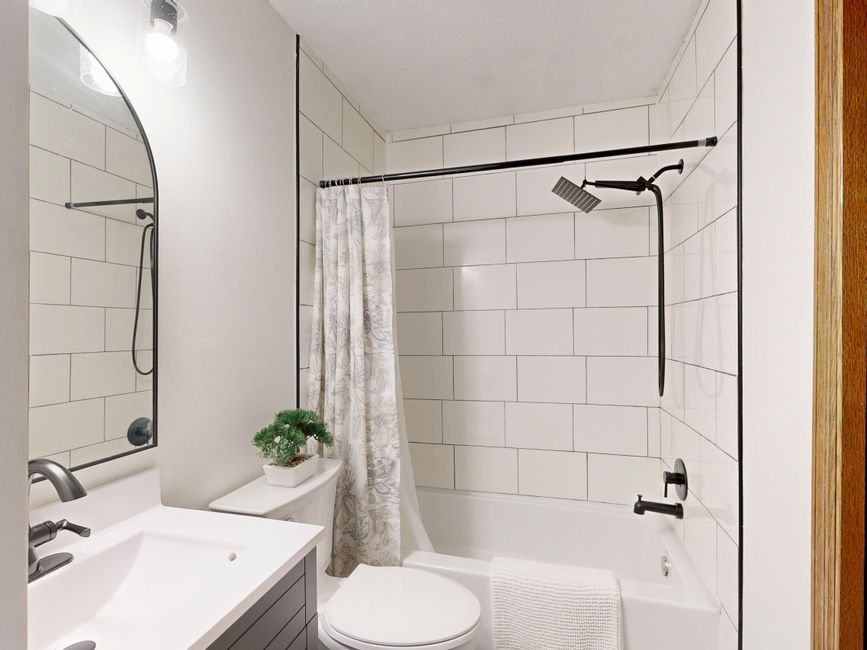
Counting Light Sources: What Buyers Actually Notice
Reflecting on numerous show-home walkthroughs and snagging meetings, one quirk stands out: buyers and visitors subconsciously count how many light sources a bathroom has. A single overhead light in a windowless bathroom often feels stark and impractical, reducing appeal.
An integrated LED mirror conveniently provides at least one focused light source directly at the vanity wall — where buyers spend most time. Developers that pair these with subtle ambient lighting create more inviting, balanced spaces that visually enlarge compact bathrooms.
Summary
So, do LED mirrors reduce maintenance compared to separate fittings? The answer is nuanced:
- Yes, integrated LED mirrors reduce dust accumulation points, simplify installation, and offer long-lasting illumination if quality products are specified. No, they may complicate repairs if LEDs fail and require whole-unit replacement unless modular designs are chosen.
From both a developer and end-user standpoint, the key is selecting LED mirrors designed with serviceability in mind, complemented by balanced lighting schemes that respect the compact, often windowless nature of UK bathrooms.
With evolving lighting technology and increased attention to high-quality property listing photography standards on platforms like Buildington, the integrated LED mirror is poised to remain a compelling choice — but only when informed, practical decisions underpin the specification.
Ultimately, a well-lit vanity wall, thoughtfully designed with both front and backlit LED elements, will impress buyers, reduce maintenance headaches, and elevate the property’s consistent appeal in a competitive market.