I still remember the first time I saved a friend $2,400. She was a realtor staring at an invoice from a physical staging company for a 2-bedroom condo, and I was just the marketing freelancer trying to help her out. I looked at her, then at the quote, and said, "Let me try something." Two days later, we had a full set of digital images, the property sold in four days, and I officially stopped being a "standard" freelancer.
Since then, I’ve logged over 200 hours testing every platform under the sun. I’ve seen the good, the bad, and the downright comical. The big question I hear on every listing appointment is: "Do buyers actually hate virtual staging, or is the industry just blowing smoke?"
Let’s cut through the noise.
The Data: Why We Stage Empty Rooms
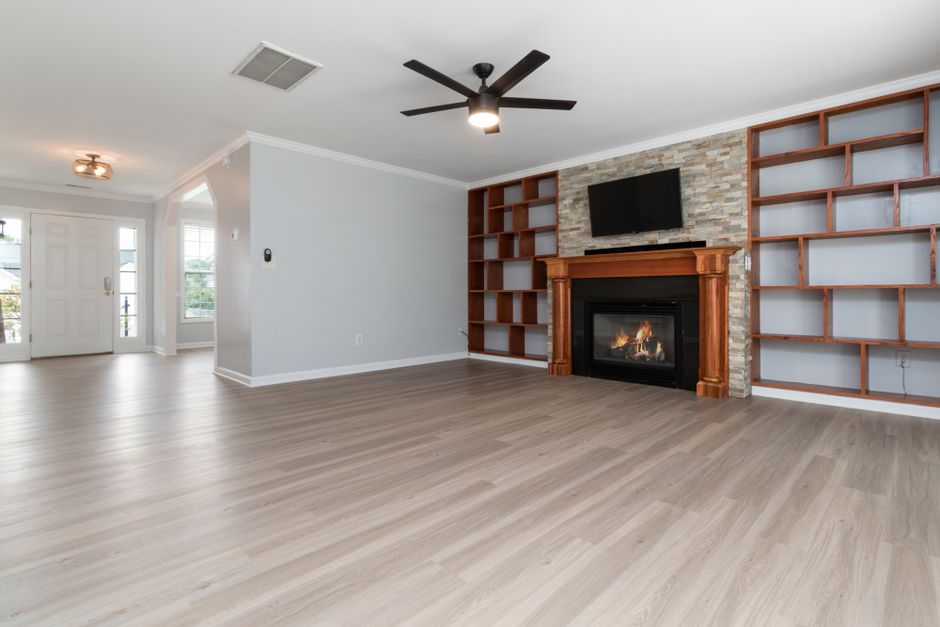
The sentiment that buyers "hate" virtual staging is almost entirely tied to bad virtual staging. Here is the reality: empty rooms are hard to visualize. Statistics consistently show that buyers struggle to see the potential in a vacant space. In fact, studies suggest that when given the choice, buyers prefer furnished homes over vacant ones by a significant margin. Specifically, empty rooms preference is only about 15% among house hunters. That means 85% of your buyers need help imagining where the sofa goes.
The hate doesn't come from the concept; it comes from the execution. When a buyer walks into a room that looked like a magazine cover online but finds a boxy, beige, empty shell, they feel misled. But when the staging is professional, it acts as a guide, not a mask.
AI vs. Physical Staging: The Cost Breakdown
Physical staging is the gold standard for luxury listings—there is no replacement for the tactile experience of walking through a room with high-end decor. However, for 90% of the market, the ROI on physical staging is increasingly difficult to justify in a tight margin environment.
Let’s look at the numbers. Physical staging often carries a monthly rental fee, delivery costs, and a design retainer. Virtual staging, while not "physical," has become a powerhouse for speed and cost-efficiency.
Comparison Table: Physical vs. Virtual Staging
Feature Physical Staging Virtual Staging Average Cost $2,000 – $5,000+ per month $32 – $48 per image Turnaround Time 3 – 7 days 24 – 48 hours Flexibility Fixed layout Infinite decor styles Experience Tactile (In-person) Visual (Online)As you can see, the price point for services like BoxBrownie ($32-48 per staged image) makes it accessible for every single listing, not just the multi-million dollar ones.
The "Photo Realism" Problem: Scale, Shadows, and Light
Here is where I get pedantic. If you are going to use virtual staging, you have to prioritize quality. Nothing screams "I’m hiding something" faster than furniture that looks like it’s floating three inches above the hardwood, or a sectional sofa that is clearly 15 feet long in a 10-foot room.
Poor virtual staging makes me cringe because of https://best-virtual-staging-softwares.mystrikingly.com three factors:

- Shadows: If the sun is coming from the window on the left, but the chair shadow is on the right, the brain knows it’s fake. Scale: If the end table reaches the height of the ceiling, you’ve lost the buyer’s trust. Lighting: Cold, harsh digital furniture in a room with warm, natural sunlight looks like a video game from 2005.
A note from my "Rooms That Break AI" list: I keep a running log of rooms that consistently fail in automated staging. Dark, windowless rooms, narrow galley kitchens, and awkward, vaulted-ceiling angles are the "final bosses" of AI staging. If you are dealing with these, stop relying on auto-fill software and hire a professional retoucher. Don't let your listing look like a bad Photoshop job.
The Golden Rule: Did You Reshoot the Photo First?
I cannot stress this enough: Did you reshoot the photo first?
I have seen realtors try to virtually stage a photo taken on an iPhone 8 with the lights off, messy cables everywhere, and a laundry basket in the corner. You cannot "fix" a bad photo with staging. Virtual staging is meant to enhance, not salvage. If the room is dark or the angle is unflattering, get a professional photographer out there. If the base photo isn't sharp, the staged furniture will never look integrated.
MLS Workflow and Staging Disclosure
Transparency is your best friend when it comes to staging disclosure. In many MLS regions, there are strict rules about disclosing that a room has been virtually staged. Even where it isn't legally required, it is professionally recommended.
Use a simple disclaimer in the image caption or listing description: "Virtually staged for illustrative purposes." It costs you zero dollars, keeps you compliant, and actually builds trust with the buyer. It signals that you are professional enough to curate the space while remaining honest about the property's vacant status.
Turnaround Times and Listing Deadlines
In this industry, time is money. I count everything in turnaround times: 30 seconds to upload, 24 hours for a draft, 48 hours for final approval. If you are trying to hit a Thursday afternoon "live" window for the weekend rush, you cannot afford to wait for a physical stager to schedule a move-in.
Virtual staging respects the speed of the market. Most platforms can turn around a set of images in 24 to 48 hours. If you’re under a deadline, you have to be ready to communicate with your editor immediately. If they send a draft back with a table that looks like it’s floating, you need that 30-second fix communicated back to them within the hour.
Final Verdict: Embrace the Tech, But Mind the Quality
Do buyers hate virtual staging? No. They hate feeling deceived. They hate low-quality, poorly lit, floating-furniture renders that make a house feel like a video game. But they love seeing a vision for what their new home could be.
If you keep the staging grounded in reality, disclose it clearly, and—for the love of all that is holy— reshoot your photos before you stage them, you’ll find that virtual staging is one of the most effective tools in your marketing arsenal. It’s not about tricking the buyer; it’s about showing them the potential they can't quite see on their own.
Now, go check your listing photos. If that kitchen looks like it was staged in a dark basement, delete it and start over. Your buyers (and your reputation) will thank you.