I’ve been doing this for 12 years in North Texas. I’ve sat at the kitchen tables of hundreds of buyers and sellers, and I can tell you exactly when the mood in the room shifts. It’s not when we talk about the price. It’s when the inspection report lands on the table.
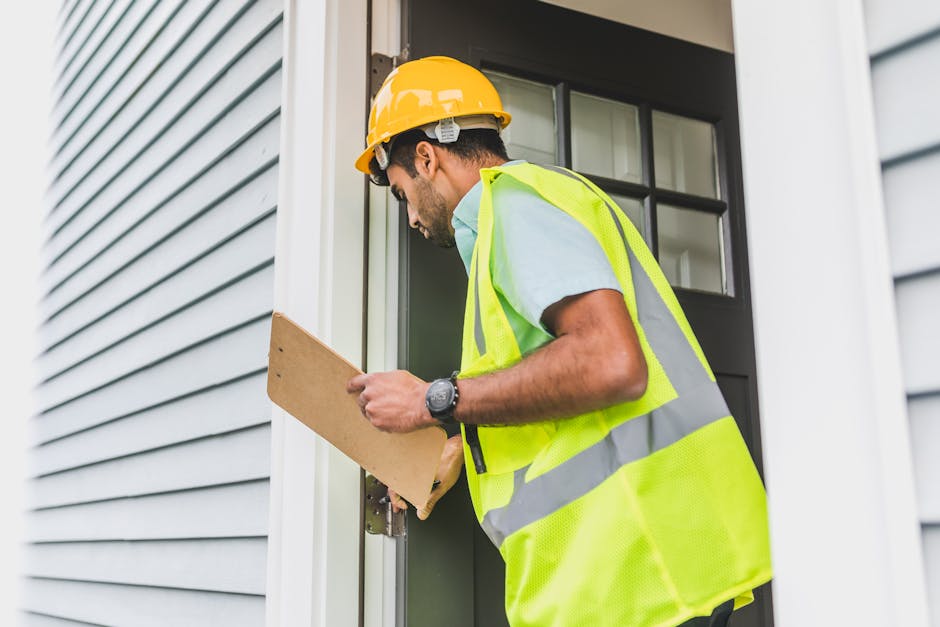
Every single time, I ask the same question before we even open the PDF: "What will the inspector write up?"
The biggest myth in North Texas real estate is the "No Leak, No Problem" fallacy. Sellers often point to a dry attic and a pristine ceiling and assume the roof is perfect. But in my experience, a roof that isn't leaking *right now* can still be a total deal-killer. Let’s talk about why your roof might fail the inspection, even if it hasn't let a single drop of water in yet.
The "No Leak" Fallacy
Homebuyers are often told to look for water stains. That’s amateur hour. A professional inspector is looking for hidden roof damage that tells a story about the roof's remaining lifespan. If the shingles are curling, the granulation is shedding, or the flashing is rusted, that roof is a liability.
Inspectors aren't just looking for water; they are looking for risk. A roof that is at the end of its functional life is a massive insurance risk. Even if it’s currently watertight, the moment the keys change hands, the buyer’s insurance company is going to start digging. If that roof is over 15 years old, you might be facing a massive premium hike or, worse, a total denial of coverage.
The "Big Three" Deal-Killers
When I’m advising my clients, I keep a mental (and sometimes physical) list of the things that kill deals before we ever get to closing. If you’re a seller, you need to know these. If you’re a buyer, you need to watch for them:
- The Roof: The primary target of every storm, sun-soaker, and insurance adjuster. The HVAC: The lungs of the house; if it’s old or undersized, the energy bills will kill the buyer's budget. The Foundation: The structural backbone. If this shifts, the rest of the house doesn't matter.
Texas Climate: The Silent Roof Killer
In North Texas, we don't just have weather; we have an assault. We deal with blistering UV exposure, dramatic thermal cycling, and, of course, the inevitable hail season. When you look hail claim roof impact at guidelines provided by the Federal Emergency Management Agency (FEMA), you realize that roofs are considered a critical mitigation point for disaster resilience.
If your roof isn't properly rated or installed, it’s not just a "home inspection roof issue"—it’s a safety issue. The roof risk perception of an inspector is tied to how that structure will handle the next windstorm. If they see loose shingles or compromised chimney flashing, they aren't thinking "it'll hold for another year." They are thinking about how much of your roof is going to end up in the neighbor's yard during the next severe thunderstorm.
Insurance Underwriting and the "Age Factor"
This is where I tell my clients to pull out their insurance policy. Most homeowners don't realize that insurance premiums are heavily influenced by the age and condition of the roof. I’ve seen deals fall apart because the buyer couldn't get affordable homeowners insurance due to a roof that was "visually fine" but "technically aged."
Insurance companies use data to predict risk. If you can’t prove the age of your roof or provide documentation of recent maintenance, they will default to the most expensive scenario. This is why I get frustrated when sellers say a roof was "recently updated" with zero paperwork. Show me the permit. Show me the receipt. If it isn't documented, it didn't happen.
Inspection-Driven Negotiations
For me, the home inspection is the most important negotiation trigger of the entire process. If the report highlights that the roof is at the end of its life, we aren't talking about "patching a leak." We are talking about the cost of a full replacement.

When an inspector writes up a roof, it’s not an opinion—it’s a bargaining chip. I’ve used these reports on platforms like ActiveRain to study how other agents handle these high-stakes negotiations. The consensus is always the same: transparency wins. If the roof is bad, acknowledge it early or fix it before listing.
Comparison: The "Looks Fine" vs. The "Documented" Roof
Feature "Looks Fine" (Seller's Opinion) Documented Roof Granulation Loss "Hard to tell, looks okay." Quantified by professional. Flashings "I don't see any gaps." Professionally sealed & verified. Insurance Risk High (Unknown age/wear). Low (Certified condition). Buyer Leverage Extremely High (Requesting replacement). Low (Already accounted for in price).The Proactive Approach: How to Fix It Before the Inspector Arrives
Don't wait for the inspector to find the problems for you. I always recommend a pre-listing check. Companies like Fireman’s Roofing Texas know exactly what inspectors in this area are looking for. They can identify the granular loss, the nail pops, and the flashing issues that will inevitably make it into a report.
If you fix these items before the house goes on the market, you control the narrative. You can provide the buyer with a clean bill of health. That creates confidence. And confidence closes deals.
Get a Pre-Listing Inspection: Find the problems before the buyer does. Document Everything: If you had repairs done, keep the invoices. Date them. Keep them in a folder. Clean the Gutters: It sounds simple, but a clogged gutter is the first thing an inspector checks because it signals poor maintenance. Clear the Overhangs: Trim back those tree limbs. If they are touching the roof, the inspector will ding you for "potential debris accumulation and damage."Final Thoughts for Sellers and Buyers
If you're selling: Stop calling your roof "fine." It's just a vague phrase that screams "I'm hiding something" to an experienced buyer. Be specific. If you don't know the condition, hire a professional to give you a report you can show to prospective buyers.
If you're buying: Never assume that a lack of water stains means the roof is sound. Ask for the documentation. If the seller can't provide it, assume the worst and negotiate accordingly. Use the inspection period to protect yourself from the massive hidden costs that come with an aging Texas roof.
At the end of the day, an inspection is about peace of mind. We don't buy houses to spend our weekends in the attic looking for water drips. We buy them to live. Make sure that roof is ready to do the one job it has: keeping the outside, outside.